In a disaster, your living situation may be disrupted.
For your shelter needs, you’ll need to think about clothing and housing.
Clothing
Having clean, comfortable, weather-appropriate clothing is a must in an emergency. Make sure that the clothes that you store in your kit fit, are appropriate for work and school, and meet the needs of your climate. And be sure to review regularly the clothing that you’ve stored, or you might end up in a situation like what our family faced.
About nine years ago, we had a house fire. We grabbed our 72 hour kits, and watched the fire fighters fight to save our home. We were put up in a hotel for the next few weeks as the damage was repaired.
The next few days, we realized that the clothing that we stored in our kit was not appropriate for our situation. Even though we were temporarily homeless, we still had to go to work and school. I showed up at work in the only clean shirt that I had, a Red Cross Disaster response volunteer shirt. I always expected I would assist during a disaster, not need to go back to work. My kids had the same issue. My daughter declared that she wouldn’t be caught dead at school in the clothes stored in her 72 hour kit. And my son had grown a few inches, so his 72 hour kit pants were closer to his knees than his ankles.
We learned from this experience, and now we review our clothing choices every six months.
Housing
When it comes to shelter, a good motto is to prepare for the worst and hope for the best. Ideally, the best option would be to shelter in our own home. But the response for some emergencies is to shelter at a different place.
As a Red Cross volunteer who’s set up shelters for numerous hurricanes on the East Coast and fires in the West, I’ve noticed the following about shelters:
In a disaster, someone from the Red Cross evaluates the need for shelter in an affected area. If the area is small, such as a house or apartment fire, the Red Cross puts the families up in a hotel. For larger disasters, the Red Cross sets up a shelter, usually in a high school gymnasium. Some people choose to stay with friends or family. Some people choose to camp in their car or outdoors. You should be prepared for all of these events.
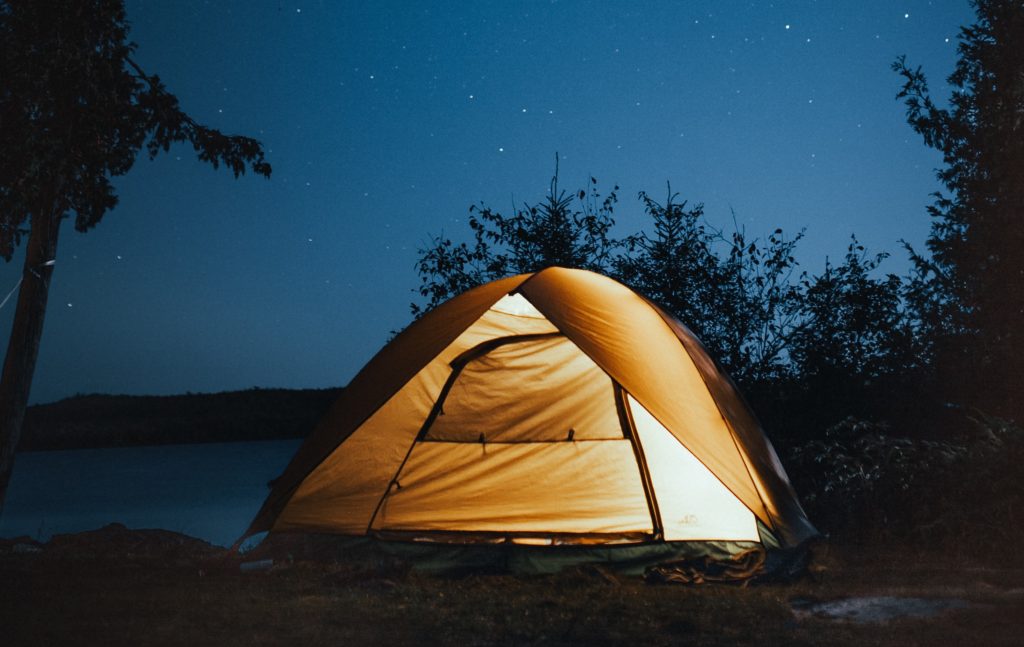
Take advantage of available resources to make this time as comfortable as possible. A tent and sleeping bag is never a waste. You should pack gear to handle bad weather, such as hand and body warmers, lightweight blankets and fire-starters. And finally, make sure that your shelter aids are close by in case of evacuation. We store our sleeping bag and tent in a separate box next to our 72 hour kits in the garage. That way, in an evacuation, we can quickly throw the box into our car and go.