72 hour kit – Water

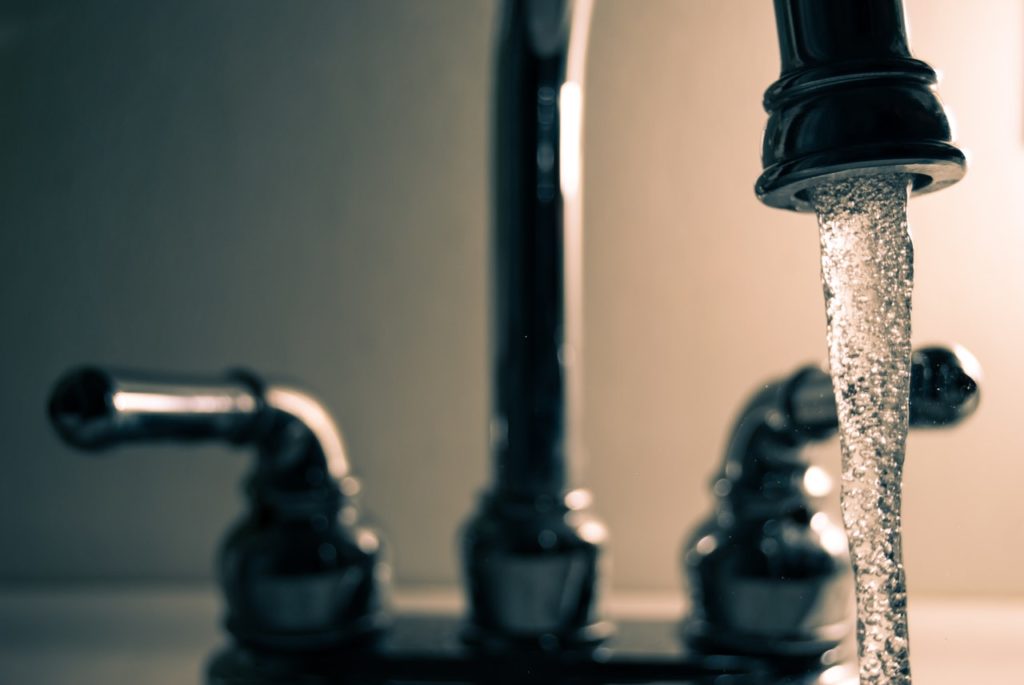
You need access to clean water in an emergency

Photo by Steve Johnson from Pexels

Water is one of the most important items that you need in your 72 hour kit. Experts say that you need 1 gallon of water per person a day for minimal survival; half a gallon to drink and half a gallon for cleaning and cooking.

Water On the Go

The problem with toting three gallons of water is that it’s heavvvyyy. Three gallons of water weighs about 25 pounds. You’ll probably not be able to carry that much water. You’ll need the ability to clean water. Here are a few options:

Water Purification Tablets

Water purification tablets, found in camping supply stores and online, are tablets that treat water chemically. They are usually comprised of iodine, chlorine, or chlorine dioxide. Water purification tablets are lightweight and relatively cheap. Tablets made with iodine or chlorine will kill giardia and other pathogens in the water, but not cryptosporidium. However, tablets made with chlorine dioxide will kill cryptosporidium, as well as giardia and other pathogens.

The downside of water purification tablets is that they don’t remove particles from the water. Also, water treated with water purification may have a slight chemical taste.

Takeaway: Water purification tablets should be in your 72 hour kit, but you shouldn’t depend upon them solely for your water purification needs.

Filtration Devices

Filtration devices physically remove particles from your water, in addition to removing bacteria and protozoa. Lightweight filters that are appropriate for a 72-hour kit can be found in camping supply stores and online. Filters vary  in price from $30 to over $300. Water filters are measured in microns, where the smaller number the better. We recommend that you get a filter that is .2 microns or smaller to ensure that you are removing giardia.

More expensive filters may also purify water, which remove viruses in addition to bacteria and protozoa. However, you shouldn’t need that level of protection in North America.

Takeaway: Water filters are more expensive than other water purification methods, but they will last a long time in your kit without needing to be replaced.

Bottled water

No matter what methods you use to clean water, you need to store at least some quantity of water. You can carry your water in water bottles or other food-grade water storage containers. Be sure to sterilize the containers before pouring the water in and rotate the water every six months. Your emergency water should be stored away from sunlight and extreme temperatures. You can also purchase water in pouches that are made to store for five years or more.

In addition to having some water in your 72 hour kit, you should have additional water stored in both your home and car. You can store water in clean 2-liter bottles. Just make sure to rotate the water every six months and keep the containers out of sunlight.

Takeaway: It may be difficult to keep a full 72 hours worth of water in your personal 72 hour kit. However you can store extra water in both your car and home.
72 hour kits – The container

There is no hard fast rule as to what you should use to carry your 72 hour kit.  Almost any container will work.  Some are better than others.  Here are a few things you will want to take into consideration for your 72 hour kit.

Which container to choose?

Most 72 hour kits are stored in either a backpack, a bag, or a bucket. Here are the advantages and disadvantages of each:

Bag

You can use a bag, such as a duffel bag or a carry-on style of luggage often seen on airplanes. The advantages are that you can repurpose bags that you already have in your home, emptying them only when you need them for a trip. The disadvantage of this style is portability. Lugging a duffle bag can become tiresome. And while carry-on luggage may have wheels, you never know when you might run into an uneven surface where the wheels may not work.

Bucket

Many people use 5 gallon buckets, such as what food storage may be stored in.  The advantages of the bucket is that it can hold most everything you need, seal nicely against the weather, and work well as a seat when you get tired of carrying them.  The main disadvantage of buckets is they are a pain in the neck to carry.  They might work nicely for girls camp or car camping, but they are not at all practical for an evacuation.

Backpack

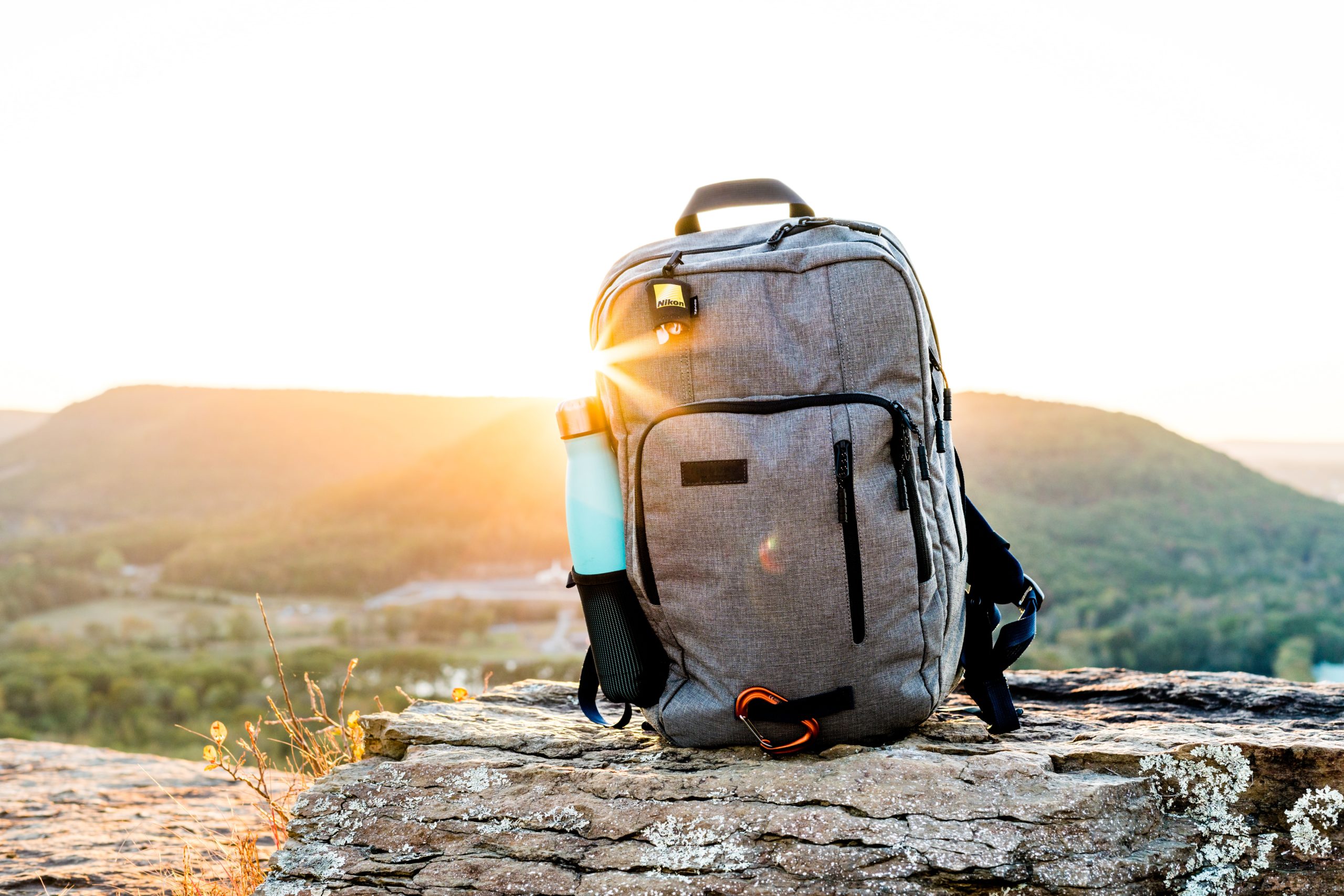
Our favorite container is a backpack. That’s because they are generally the most versatile and convenient way to transport a 72 hour kit.  They can hold a lot, are easier to carry over a long distance, and often have lots of pockets to keep things organized. The disadvantage of backpacks is that they are not waterproof. You’ll need to pack your items in waterproof bags in a backpack.

Size

Size of the bag is the next consideration.  First off, it must be large enough to hold everything you need to carry but small enough that you can grab it and carry it with you on the run.  This is extra important to consider when you have small children.  A child dragging a large bucket with their kit inside is not going to last very long. You will be forced to leave the backup behind or get someone else to carry extra.  In most cases, every family member will have their hands full, so it is wise to pack a small backpack for small children and pack only enough in it that they can carry.  This means you may be placing some of their items in another person’s kit.  

Weight

The lighter the bag for a 72 hour kit the better. Depending on the emergency, you might be walking some distance. For example, when backpacking, a loaded backpack should not weigh more than 20% of the person’s body weight.  

Expense

You don’t need to spend a lot of money on an expensive high-end backpack.  We recycled old school backpacks for a number of years.  The important thing is that it holds the items that you need in your kit.   A small inexpensive bag will hold just as much as the high end expensive one.   Start small and work your way up over time.  Unless you see a need, save the money for something else.

Security

If you’re in a natural disaster, you and your family may be forced to evacuate and you end up in a shelter.  Everything you own now fits inside your 72 hour kit.  You are now sharing a shelter with 500 strangers, as you are all living in the same school gym.  You may wish for some sort of lock on your bag, as the only secure storage is sliding it under your cot and covering it with a blanket. I have spent a lot of nights in shelters across the country.  Problems are rare but they can happen.  If your bag has a lock, it wards off temptation.

Packing

When you pack your kit, think of those things that you will need most often and pack them on top.  This is a lot like camping or living out of a suitcase at a hotel.  You do not want to have to unpack each day just to find your medication or other commonly used item.  Pack the heavy stuff and the items you will not need until later first.

Test

Once you have your kit, you should test it.  This does not have to be a big event.  Take a long weekend and try to live out of your kit for 72 hours.  Make a list of what is missing.  Each person, each family will have a kit that is specific to them.  I can’t tell you what you might want in your kit.  No one can.  I can give you a basic outline but what you need is really based on you.  After our first test run, all my children decided that a few card games were an absolute necessity.

Refresh

Last of all, put on your calendar now a plan to check and refresh your kit on a regular schedule.  Being members of The Church of Jesus Christ of Latter Day Saints, we have discovered a plan that works for us.  Every six months the church has a conference broadcast on TV.  In between the Saturday televised sessions, we grab our kits, unpack them, check for expired items, swap out the batteries, make sure the clothing still fits, and give the kit a general freshen up.  This takes less than an hour. The kids get to eat all the candy and food that is swapped out. Should something happen, we will not be stuck in shirts three sizes too small.


The bag is a simple thing.  You can spend a lot of money or you can keep it within budget.  The important thing is to place the items in the kit and have the kits in a designated location where you can get to them quickly in an emergency.  We store ours on shelves in the garage, assuming our first choice will be to make our escape in the car.  Just make sure everyone knows where they are and that they can all be gathered on the run.  Practice with them a few times, then pray you never have to use them for real.

72 hour kit – Important papers

72 hour kit important papers

Many of us want to get started down the road to preparedness but don’t know where to start.  The basic 72 Hour kit is probably your best first step. A few things you should know. First, you probably should not go out, and spend money on an expensive kit at a store.  First, it costs money and second, it probably does not contain the things that you really need to take care of your family in a real emergency.


Where to start?

We should start with the purpose of the 72 hour kit.  In a disaster there are three scenarios we think about.  Shelter in place (you stay home and live off food storage).  Extended evacuation (You slowly pack the car with all your camping gear and go car camping for a while).  And the third option the Fast Evacuation (You grab you 72 hour kit and run).

We are talking about option 3.  You have a matter of minutes (or seconds) to grab your kits, get in the car and drive to safety or even flee on foot.  You may end up in a hotel room or in the 40 square feet of high school gym space assigned to you in a Red Cross evacuation shelter.

The first items we are going to collect for this important kit are actually the items that make for the quickest recovery and they are some the the items most often left out.  I am talking about the paperwork.

When our family had a house fire a number of years ago one of the first things we needed was the phone number and information about our home owners insurance.  As we watched from across the street we wondered if all of our most important papers were going to be OK. Would they survive the fire? Would they survive the 500 gallons per minute of water that the fire trucks pump in from each hose?

Electronic vs. paper

Old school we would recommend that you go down to the copy shop and make a photocopy of all of your most important documents.   With technology today you may want to consider electronic copies of everything. Just remember that in a large scale disaster, you may have limited access to the Internet, cell phone data may or may not work, and the ability to charge your phone may become very limited.  I have been in more than one Red Cross shelter where in order to avoid blowing circuits, charging cell phones was not allowed.

Another important document would be some form of ID.  I recommend a copy of your passport, drivers license, or other photo ID.  It may not work as a form of identification but it sure will help when you are working with the authorities to try to get back into your home or to try to get replacement identification.

Contact info

And like it or not another one that you should probably have in the kit is contact information for your life insurance company and agent.  Note that you do not need copies of the entire policy. Contact information for the agents and the company names are usually enough.

While I and doing the paperwork we always add an Emergency Contact List.  This of course will list our all important out of state emergency family contact with email and phone number but also list the family doctor, dentist and other medical professionals.  We also list family friends and work numbers we will need to contact in an emergency.

One more addition we feel will be very helpful is a photo of all your medications or prescriptions.  In a crunch you may need to provide that information to a professional so they can assist you in obtaining refills.

Meeting your needs

This is not a comprehensive list of all the documents that need to be in your kit.  Think about your family and the individual situation. What are the important papers or documents that if lost would really make your life difficult.  Those are the ones that you need copies of in your kit. I used to keep all of mine in a plastic bag in the top of my backpack. Today they are in an encrypted file on my phone with a backup on an old thumb drive.  My recommendation, do what you are most comfortable with, just make sure you can get to those important files when you need them.